Intro
Many players say the same thing after trying newer slot games:
“They feel more aggressive.”
Sessions seem faster, losses happen quicker, and the overall experience feels more intense compared to older slot machines. But is this just perception, or has something actually changed in how modern slots are designed?
After comparing older slot formats with newer releases, the answer becomes clear: modern slots are not necessarily unfair — but they are designed very differently.
Faster Gameplay Changes Everything
One of the biggest differences is speed.
Modern slots are built for:
- faster spin cycles
- quicker animations
- immediate transitions between spins
This means:
- more bets per minute
- faster balance swings
- less time to process decisions
This shift alone makes the experience feel more aggressive, even if the math behind the game hasn’t fundamentally changed.
Testing multiple new releases in demo mode shows just how much pacing has evolved.
👉 [Read Article]: I Tested 20 New Slots in Demo Mode – Here’s What Surprised Me
Volatility Is Higher Than Before
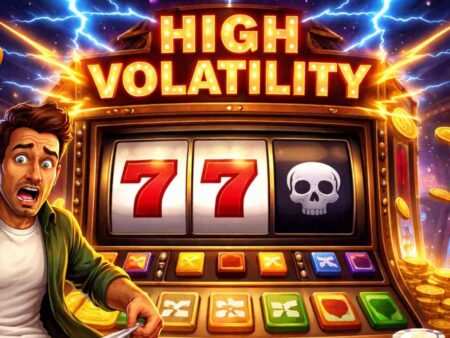
Modern slots tend to rely more heavily on high volatility mechanics.
Compared to older slots:
- small wins are less frequent
- bonus rounds carry more weight
- payouts are more concentrated
This creates:
- longer losing streaks
- bigger but rarer wins
- stronger emotional swings
Players often interpret this as “aggressive behavior,” but it is actually a result of volatility design.
👉 [Try our Free Demo Slots]: Slots (Demo)
Bonus Features Are Now the Core Experience
In older slots:
- the base game mattered
- bonuses were occasional
In modern slots:
- bonuses are the main attraction
- base game often feels secondary
Many games are built around:
- free spins with multipliers
- cascading wins
- feature stacking
This creates a cycle where players feel like they are constantly “waiting” for something big — which increases tension and frustration.
Visual and Audio Stimulation Is Stronger
Modern slots use much more aggressive sensory design:
- flashing animations
- dynamic sound effects
- constant visual feedback
These elements:
- increase excitement
- reduce perception of time
- amplify emotional reactions
Even when nothing significant happens, the game feels active and intense.
The Illusion of Control Has Increased
New mechanics often give players a sense of involvement:
- bonus choices
- buy features
- gamble options
Even though outcomes are still random, these features create the feeling that:
- decisions matter more
- outcomes can be influenced
This makes losses feel more personal — and wins more rewarding.
Sessions Are Shorter, But More Intense
Modern slot design favors:
- short sessions
- quick results
- rapid emotional cycles
Players:
- lose faster
- win faster
- repeat sessions more often
This creates the impression of a more aggressive system, even though the underlying math remains consistent.
Demo Mode Makes the Difference Clear
When playing in demo mode, without financial pressure:
- patterns become easier to notice
- volatility becomes more obvious
- emotional reactions are reduced
This helps separate perception from reality.
Many players realize that the “aggressive feeling” comes from design choices — not from unfair behavior.
What Has Actually Changed
Modern slots have evolved in three key ways:
- Speed – faster gameplay cycles
- Volatility – higher risk, bigger swings
- Design – more intense visuals and features
The math is still based on probability — but the experience is engineered to feel more dynamic.
Final Thoughts
Modern slots feel more aggressive because they are designed to be faster, more volatile and more engaging.
This does not make them unfair — but it does make them easier to misunderstand, especially for players used to older formats.
Understanding how these changes affect perception is key. And once again, demo mode is the best way to experience these differences without risk.